
Inventor, Pioneer Harold F. Pitcairn
Harold Frederick Pitcairn stands at the very origin of what would become Eastern Air Lines.
Pitcairn emerged during the formative years of American aviation, when flight was still experimental, and the concept of a commercial airline had yet to take shape. In the decade following World War I, as the United States began to explore practical applications of air transport, Pitcairn established himself among a small but influential group of pioneers working to transform aviation from novelty into a reliable system of transportation.
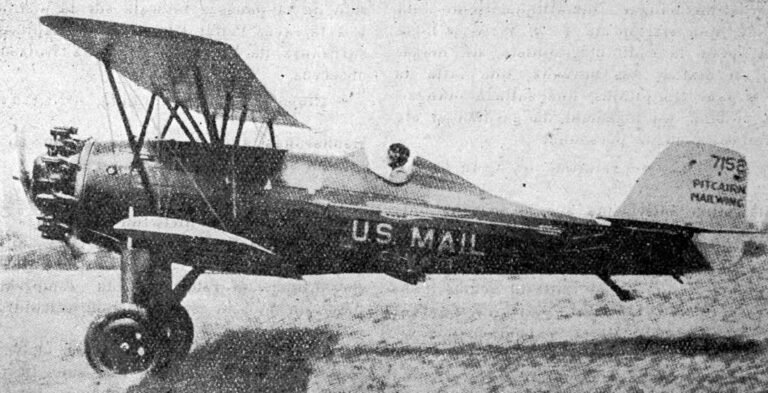
Pitcairn PA-6 Mailwing, March 1929
In 1924, operating from a modest airfield on his family’s estate in Bryn Athyn, Pennsylvania, Pitcairn founded the Pitcairn Flying School and Passenger Service. What began as flight instruction, sightseeing excursions, and charter operations quickly evolved into something far more substantial. Drawing on both business instinct and engineering ambition, Pitcairn recognized that aviation’s future depended on infrastructure, reliability, and scale.
That opportunity arrived with the passage of the Contract Air Mail Act of 1925, which allowed private companies to carry U.S. mail. In 1927, Pitcairn Aviation secured the rights to fly CAM-19, the critical airmail route linking New York and Atlanta. This route would become the backbone of a developing national air network—and, ultimately, the geographic spine of Eastern Air Lines itself.
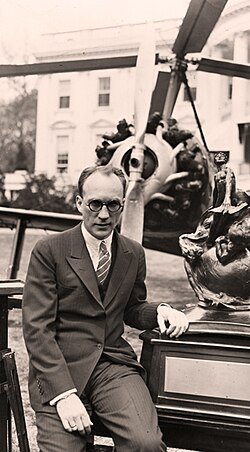
Beyond fixed-wing aviation, Pitcairn also became a leading figure in the development of rotary-wing aircraft in the United States, pioneering the autogyro. While this work would earn him international recognition, his lasting legacy within airline history lies in the system he helped build: routes, aircraft, and operational standards that transformed aviation from experimentation into enterprise.
In 1930, Pitcairn sold his aviation interests to North American Aviation. The company was soon reorganized under new leadership, including the famed World War I ace Eddie Rickenbacker, and would eventually be renamed Eastern Air Lines. Though Pitcairn himself would step away, the structure he created—the routes he established, the operational model he proved, and the vision he pursued—remained firmly in place.
Today, every chapter of Eastern Air Lines’ history traces back to Pitcairn’s original enterprise. His work did not merely precede Eastern Air Lines—it made it possible.